
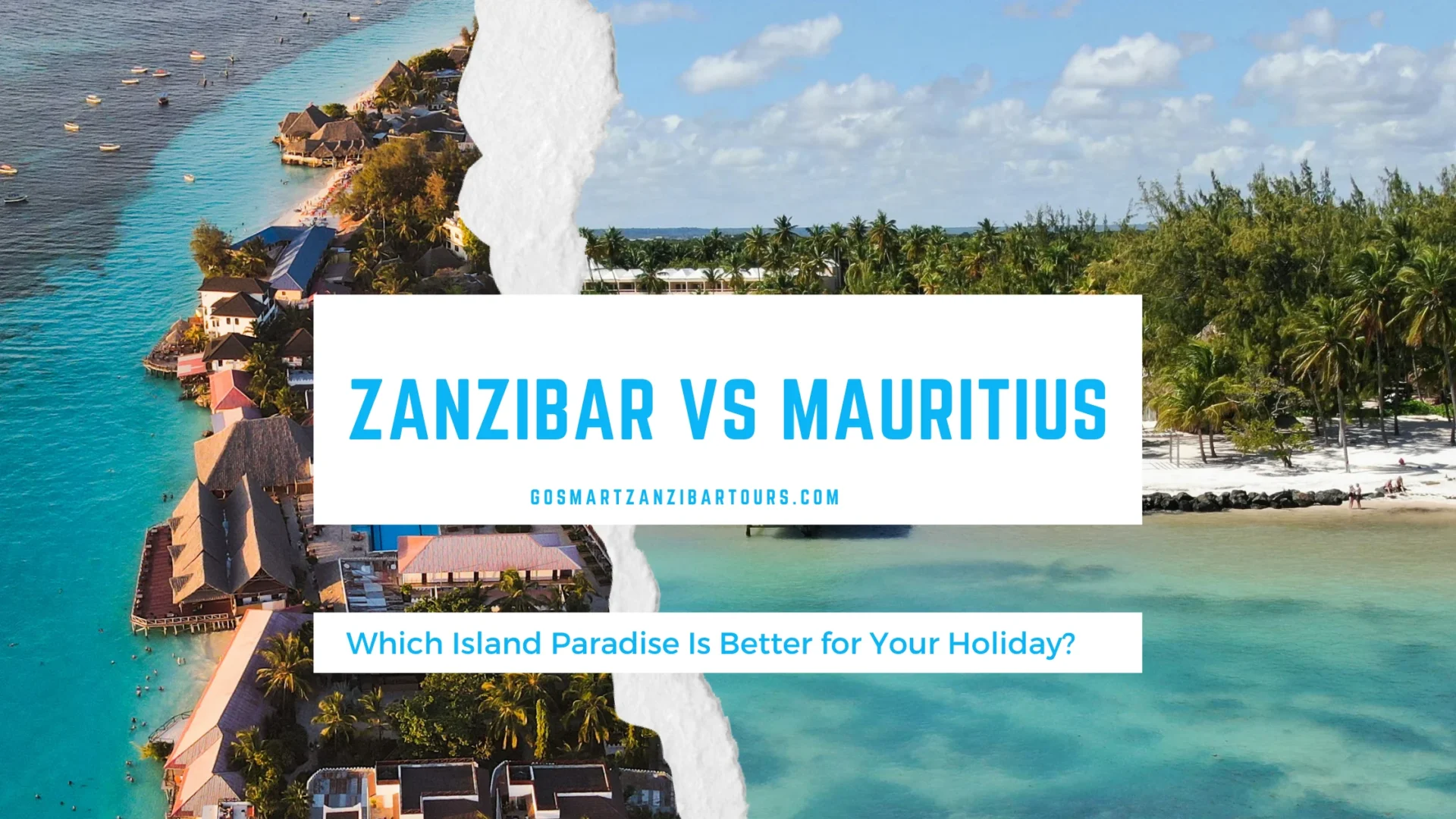
Zanzibar and Mauritius are both breathtaking Indian Ocean islands with turquoise waters and sunny beaches. Zanzibar stands out for its powdery white sands, rich Swahili-Arab history, authentic cultural experiences, and better value for money. Mauritius offers more diverse activities like hiking and luxury resorts in a polished, multicultural setting. Zanzibar often wins for romantic getaways and beach-focused holidays, while Mauritius suits active families or those seeking variety. The best choice depends on your priorities.
Choosing between Zanzibar and Mauritius can feel overwhelming—both promise idyllic beaches, warm waters, and that perfect tropical escape. As international travelers, you want the right mix of relaxation, adventure, and value without any regrets.
At Gosmart Zanzibar Tours, we’ve helped thousands of visitors discover Zanzibar’s unique charm firsthand. We know the islands inside out, from hidden beach coves to bustling markets. This guide compares the two destinations head-to-head so you can decide which one fits your dream holiday—whether it’s a romantic honeymoon, family adventure, or laid-back beach break.
We’ll cover beaches, activities, culture, food, costs, best times to visit, and more, with practical tips drawn from real traveler experiences and our local expertise. By the end, you’ll have everything you need to book with confidence.
Table of Contents
Zanzibar vs Mauritius: Comparison
| Factor | Zanzibar | Mauritius |
|---|---|---|
| Best For | Culture seekers, budget travelers, authentic experiences | Luxury resort lovers, families, honeymooners wanting all-inclusive |
| Average Daily Budget | $100-150 per person | $200-350 per person |
| Beach Quality | Powdery white sand, dramatic tides, natural | Pristine lagoons, calm waters, manicured |
| Cultural Depth | ⭐⭐⭐⭐⭐ Exceptional – UNESCO Stone Town, Swahili heritage | ⭐⭐⭐ Good – Multicultural but less immersive |
| Accommodation Style | Boutique hotels, guesthouses, few large resorts | Luxury all-inclusive resorts, international chains |
| Food Scene | Swahili-Arab fusion, incredible street food, seafood | Diverse (Indian, Creole, Chinese, French), upscale dining |
| Activities Beyond Beach | Spice tours, Stone Town, village visits, dhow sailing | Hiking, waterfalls, botanical gardens, rum tours |
| Diving & Snorkeling | ⭐⭐⭐⭐⭐ Mnemba Atoll – excellent marine life | ⭐⭐⭐⭐ Professional operations, good reefs |
| Family-Friendly | ⭐⭐⭐ Good for older kids, limited facilities | ⭐⭐⭐⭐⭐ Excellent – kids clubs, safe lagoons |
| Romance Factor | ⭐⭐⭐⭐⭐ Intimate, authentic, great value | ⭐⭐⭐⭐⭐ Luxury resorts, organized packages |
| Ease of Access | More connections required, limited direct flights | Direct flights from Europe, easier routing |
| Getting Around | Basic roads, need private transport/car rental | Good roads, easy self-drive navigation |
| Infrastructure | Developing, can be rustic | Modern, well-developed |
| Best Travel Months | June-October, December-February | May-October (winter/dry season) |
| Visa Requirements | Visa on arrival ($50 for most nationalities) | Visa-free for most countries (up to 90 days) |
| Malaria Risk | Low risk – prophylaxis recommended | None – malaria-free |
| Language | Swahili, English widely spoken | English, French, Creole |
| Time Zone | EAT (UTC+3) | MUT (UTC+4) |
| Currency | Tanzanian Shilling (TZS), USD accepted | Mauritian Rupee (MUR) |
| Tipping Culture | Expected (10% service) | Optional (often included) |
| Dress Code | Conservative – modest dress in public | Casual – relaxed beachwear fine |
| WiFi Availability | Limited, can be slow | Excellent, reliable |
| Shopping | Local markets, spices, handicrafts, carved doors | Upscale boutiques, duty-free, local crafts |
| Nightlife | Low-key beach bars, Stone Town restaurants | More developed – bars, clubs in tourist areas |
| Environmental Efforts | Improving – marine conservation, eco-lodges | Strong – certifications, coral restoration |
| Crowd Levels | Moderate, more intimate feel | Can be busy at major resorts |
| Medical Facilities | Basic – serious cases need evacuation | Good – international standard clinics |
| Overall Value | ⭐⭐⭐⭐⭐ Exceptional | ⭐⭐⭐ Moderate to expensive |
| Authenticity | ⭐⭐⭐⭐⭐ Very authentic, real local life | ⭐⭐⭐ More polished, resort-focused |
| Adventure Level | ⭐⭐⭐⭐ Cultural adventure, some rustic travel | ⭐⭐⭐⭐ Outdoor activities, comfortable travel |
Quick Decision Guide:
“I want the best value and authentic culture” → Zanzibar
“I want luxury resort pampering and convenience” → Mauritius
“I’m traveling with young children” → Mauritius
“I want to explore historic sites and local markets” → Zanzibar
“I want mountains, waterfalls, and diverse landscapes” → Mauritius
“I’m on a honeymoon budget under $3,000” → Zanzibar
“I want comprehensive watersports at my hotel” → Mauritius
“I want to feel like I’ve really traveled somewhere different” → Zanzibar
What Makes Zanzibar and Mauritius Different?
While both islands sit in the warm Indian Ocean and offer spectacular beaches, they’re fundamentally different destinations.
Zanzibar is a semi-autonomous archipelago off Tanzania’s coast in East Africa. Its identity is deeply rooted in Swahili culture, Arab influence, and centuries of spice trade history. The main island, Unguja (commonly called Zanzibar), features Stone Town—a UNESCO World Heritage site with labyrinthine alleys, carved wooden doors, and bustling markets. The atmosphere is authentic, sometimes rustic, and culturally rich.
Mauritius is an independent island nation east of Madagascar, about 2,000 kilometers from the African mainland. It’s a melting pot of Indian, African, Chinese, and European cultures, reflected in its food, languages, and architecture. Tourism infrastructure here is sophisticated, with luxury resorts dominating the coastline and well-maintained roads connecting volcanic peaks, botanical gardens, and cascading waterfalls.
The fundamental difference: Zanzibar offers cultural depth and authentic experiences; Mauritius delivers polished comfort and recreational variety.
How Do the Beaches Compare?
Zanzibar’s Beach Experience
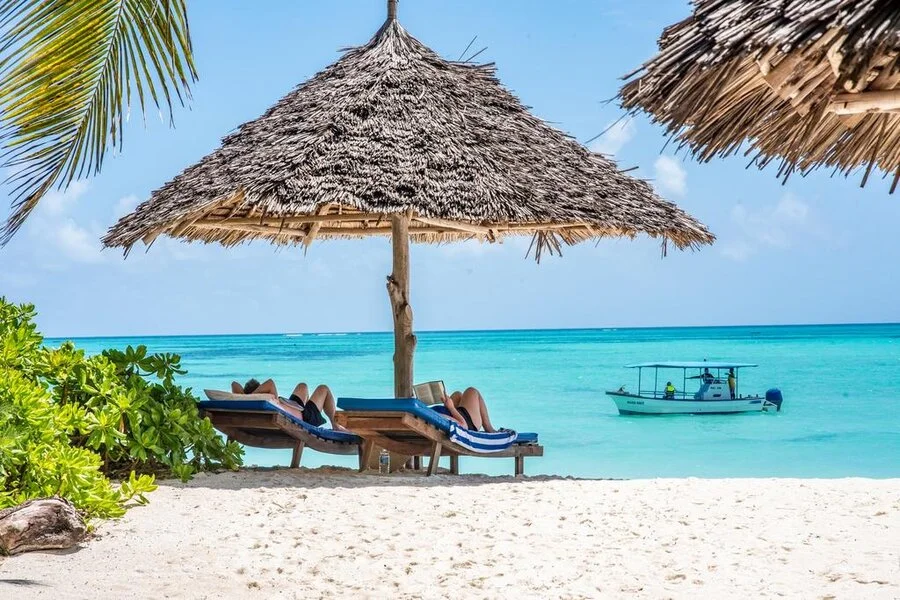
Zanzibar’s beaches are defined by dramatic tidal movements and powdery white sand that stays cool underfoot even in blazing sun. The east coast—particularly Paje, Jambiani, and Matemwe—features vast sandbars during low tide, creating surreal walking opportunities hundreds of meters into the ocean.
The north and northeast coasts (Nungwi, Kendwa) experience less extreme tides, offering consistent swimming conditions and stunning sunset views. The sand quality here rivals any beach in the world: fine, white, and bordered by swaying palms and traditional dhow boats.
Beaches feel more natural and less manicured. You’ll encounter local fishermen, seaweed farmers (a major industry), and village children playing football. Beach vendors exist but are generally respectful when you politely decline.
Mauritius’ Beach Experience
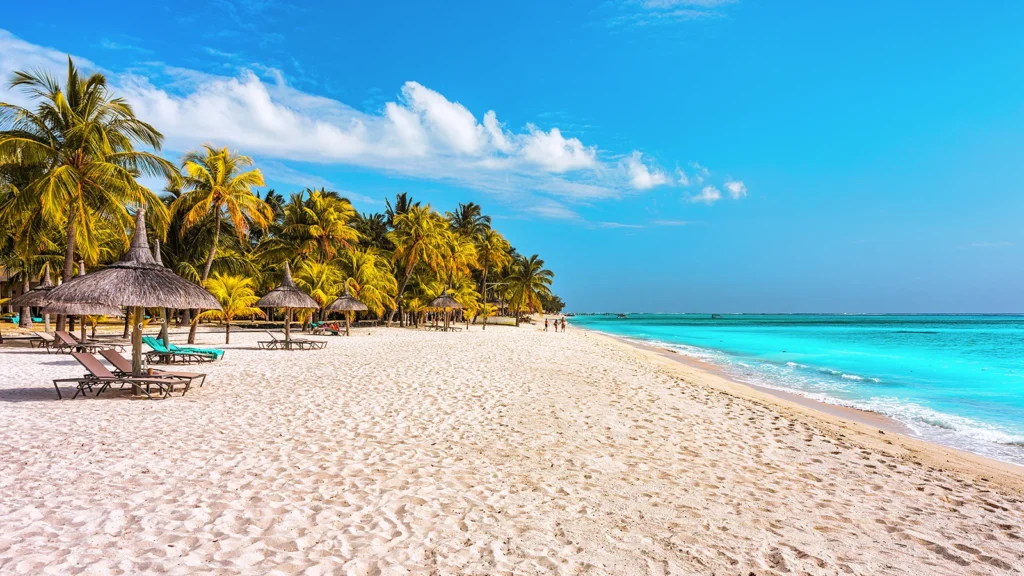
Mauritius beaches are protected by one of the world’s largest lagoon systems, creating calm, shallow swimming areas ideal for families. The west coast (Flic en Flac, Tamarin) and north coast (Grand Baie, Trou aux Biches) offer different water colors and energy levels.
The famous Le Morne beach, backed by the dramatic Le Morne Brabant mountain, provides Instagram-worthy scenery. The underwater waterfall illusion off the coast is visible from helicopter tours—a unique geological phenomenon.
Beaches here are immaculately maintained, especially those fronting luxury resorts. Public access exists, but the best stretches are often dominated by hotel properties with loungers, watersports centers, and beach bars.
The verdict: Zanzibar wins for natural beauty and authentic beach culture. Mauritius wins for family-friendly facilities and consistently swimmable conditions.
Which Island Offers Better Value for Money?
Zanzibar Costs and Budget

Zanzibar delivers exceptional value, especially in the mid-range and budget categories. You can find beautiful beachfront guesthouses for $40-80 per night, boutique hotels for $100-200, and even luxury resorts for $200-400—prices that would barely cover basic accommodation in Mauritius.
Street food and local restaurants offer delicious meals for $3-8. A fresh seafood dinner at a beachfront restaurant costs $15-25. Activities like spice tours ($25-35), Stone Town walking tours ($15-20), and snorkeling trips ($30-50) are remarkably affordable.
Transportation is inexpensive: shared taxis (dala-dalas) cost under $1, private transfers average $25-50, and car rentals start around $40 daily.
A couple can enjoy a week-long holiday in Zanzibar, including accommodation, meals, activities, and transfers, for $1,500-2,500 total.
Mauritius Costs and Budget
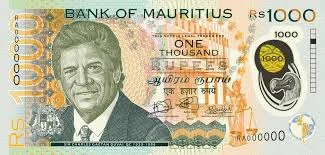
Mauritius caters primarily to the mid-luxury and luxury markets. Budget accommodation exists but often lacks the charm and location of comparable Zanzibar options. Expect to pay $100-200 for decent mid-range hotels, $250-500 for four-star resorts, and $500+ for premium all-inclusive properties.
Restaurant meals cost $15-30 for casual dining, $40-80 for quality restaurants. Activities are pricier: catamaran cruises ($80-120), diving ($70-100 per dive), and island tours ($60-100).
Car rental is essential and costs $35-60 daily. Taxis are expensive without prearranged rates.
A comparable week-long trip for a couple typically costs $3,500-6,000, sometimes more if staying at top-tier resorts.
The verdict: Zanzibar offers 40-60% better value across accommodation, food, and activities while maintaining high quality.
Cultural Experiences: Which Island Has More to Offer?
Zanzibar’s Cultural Richness

Zanzibar’s greatest strength is its living, breathing culture. Stone Town is an open-air museum where history isn’t preserved—it’s inhabited. You’ll explore 19th-century Arab houses, former slave markets, Persian bathhouses, and the Sultan’s Palace while navigating streets too narrow for cars.
The spice tours are legendary and genuinely educational. You’ll see, smell, and taste cloves, vanilla, cinnamon, cardamom, and exotic fruits while learning about Zanzibar’s role in global spice trade. Local guides share family stories and traditional medicine knowledge passed through generations.
Swahili culture permeates everything: the call to prayer echoing five times daily, women in colorful kangas selling produce at Darajani Market, fishermen launching carved dhows at dawn, and the intoxicating aroma of biryani and Zanzibar pizza wafting through alleyways.
Village visits, traditional cooking classes, and interactions with seaweed farmers offer authentic glimpses into island life. The Jozani Forest provides encounters with endemic red colobus monkeys in their natural habitat.
Mauritius’ Cultural Landscape
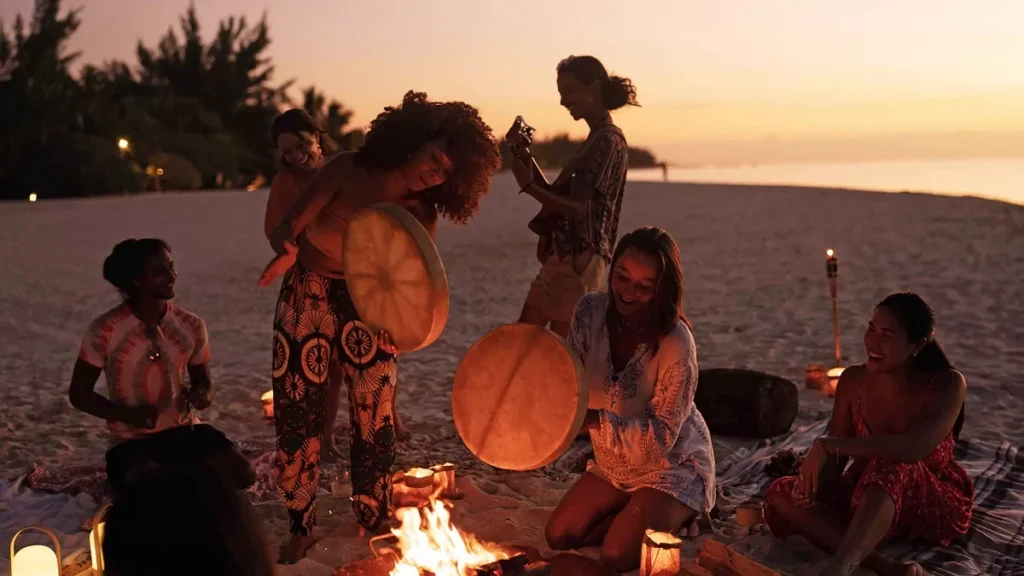
Mauritius offers multicultural diversity rather than cultural depth. Hindu temples stand alongside Chinese pagodas, Catholic churches, and mosques—a testament to harmonious coexistence.
Port Louis, the capital, features colonial architecture, the bustling Central Market, and waterfront developments, but it functions primarily as a commercial hub rather than a cultural treasure. The Pamplemousses Botanical Garden showcases rare plants in a beautifully landscaped setting.
Cultural experiences feel more curated: Sega dance performances at hotels, rum distillery tours, and visits to seven-colored earth geological formations. These are enjoyable but lack the spontaneous, immersive quality found in Zanzibar.
The island’s volcanic interior offers stunning scenery—Chamarel waterfall, Black River Gorges, and viewpoints over verdant valleys—providing adventure and photography opportunities Zanzibar can’t match.
The verdict: Zanzibar wins decisively for cultural immersion and authentic experiences. Mauritius offers beautiful landscapes and multicultural elements but less depth.
Zanzibar vs Mauritius for Honeymoons: Which Is More Romantic?
Both islands are marketed as honeymoon destinations, but they create romance differently.
Zanzibar for Honeymooners
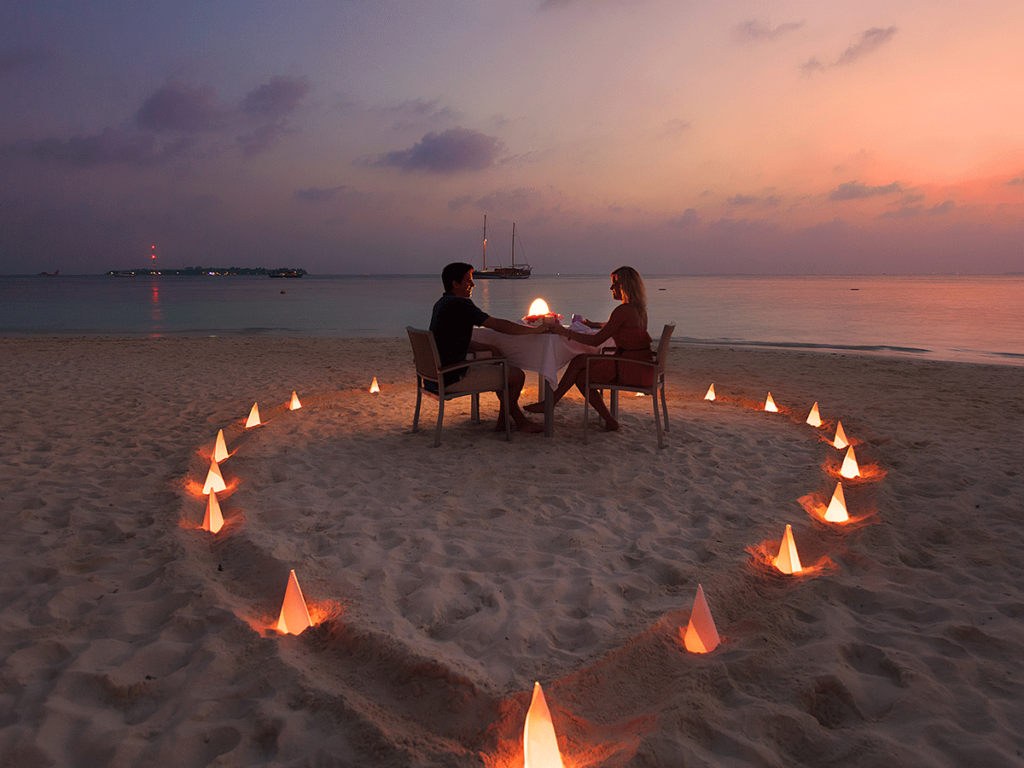
Zanzibar specializes in intimate, boutique properties where you’re not lost among hundreds of guests. Many hotels offer private beach dinners under the stars, couples’ spa treatments in garden pavilions, and secluded villas with plunge pools.
The island’s natural beauty provides romantic backdrops: sunset dhow cruises with champagne, private sandbank picnics accessible only at low tide, and starlit walks on deserted beaches. The Mnemba Atoll area offers exclusive luxury lodges favored by celebrities seeking privacy.
The relaxed pace encourages connection. Days flow between morning swims, long lunches, afternoon reading in beach hammocks, and sunset cocktails. There’s less pressure to “do everything” and more space to simply be together.
Budget-conscious honeymooners appreciate that romance doesn’t require emptying savings accounts. You can afford private experiences, room upgrades, and splurge dinners without financial stress.
Mauritius for Honeymooners
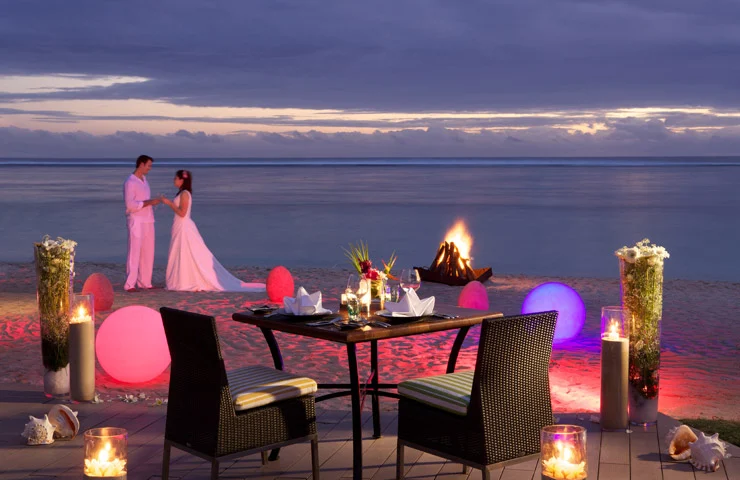
Mauritius excels at structured romance. All-inclusive resorts offer honeymoon packages with champagne, couple’s massages, romantic dinners, and decorated rooms. Everything is professionally organized, removing planning stress.
The diversity of experiences suits active couples: hiking Le Morne, swimming with dolphins, kitesurfing together, or exploring waterfalls. The underwater walk experience—walking on the ocean floor wearing specialized helmets—creates unique shared memories.
Luxury is ubiquitous. Five-star properties deliver impeccable service, gourmet restaurants, infinity pools, and beautifully appointed suites. If your honeymoon vision includes pampered resort living with cocktails delivered poolside, Mauritius excels.
The island feels safer and more sanitized, which some couples prefer during a once-in-a-lifetime trip.
The verdict: Zanzibar appeals to couples seeking authentic romance, cultural experiences, and excellent value. Mauritius suits those wanting luxury resort pampering with extensive activities.
Which Island Has Better Diving and Snorkeling?
Zanzibar’s Underwater World
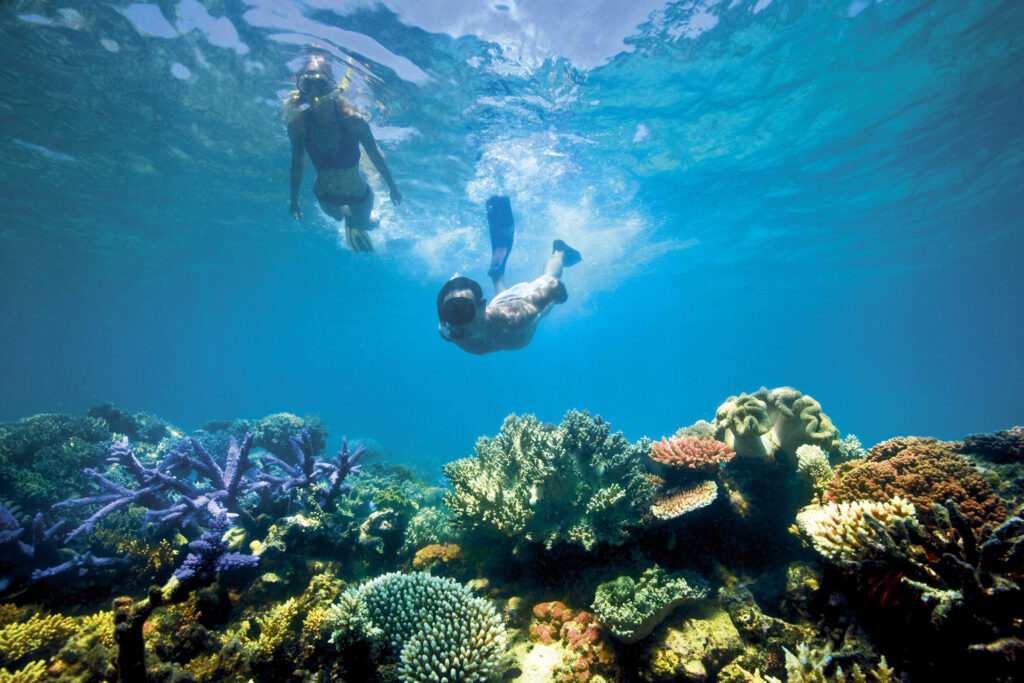
The Mnemba Atoll, northeast of Zanzibar, ranks among East Africa’s premier diving and snorkeling sites. The marine conservation area hosts sea turtles, dolphins, whale sharks (seasonal), humpback whales (July-September), and vibrant coral gardens populated by tropical fish.
Visibility averages 20-30 meters during optimal conditions. Dive sites cater to all levels, from shallow reef dives to dramatic wall dives reaching 40+ meters. The Leven Bank offers advanced diving with potential manta ray and shark encounters.
Snorkeling day trips to Mnemba cost $80-120 and deliver reliable turtle sightings. The house reefs at some hotels provide decent snorkeling directly from the beach, though reef quality varies.
Zanzibar’s diving infrastructure is less developed than Mauritius, with fewer dive centers and simpler equipment. Serious divers should research operators carefully and confirm certification standards.
Mauritius’ Diving Infrastructure
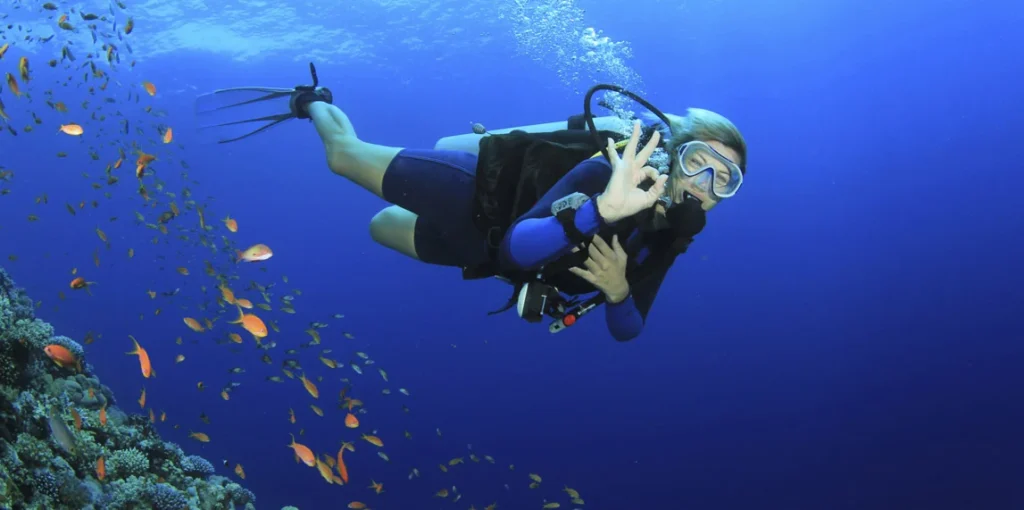
Mauritius offers professional diving operations with modern equipment, multilingual instructors, and strict safety protocols. The island’s lagoons provide sheltered training grounds for beginners, while outer reef sites challenge experienced divers.
Notable dive sites include the Cathedral (volcanic rock formations), Whale Rock (frequent shark sightings), and several intentionally sunk wrecks. Water temperature stays comfortable year-round (24-28°C), rarely requiring thick wetsuits.
The Blue Bay Marine Park provides excellent snorkeling with marked underwater trails and abundant fish life visible in shallow, clear waters. Glass-bottom boat tours suit non-swimmers wanting underwater glimpses.
Mauritius invested heavily in watersports infrastructure. You’ll find parasailing, sea kayaking, stand-up paddleboarding, waterskiing, and kitesurfing (Le Morne is world-renowned) readily available at most beach areas.
The verdict: Mnemba gives Zanzibar the edge for marine biodiversity and memorable encounters. Mauritius wins for professional operations, variety of watersports, and consistent conditions.
Food and Dining: Where Will You Eat Better?
Zanzibar’s Culinary Scene
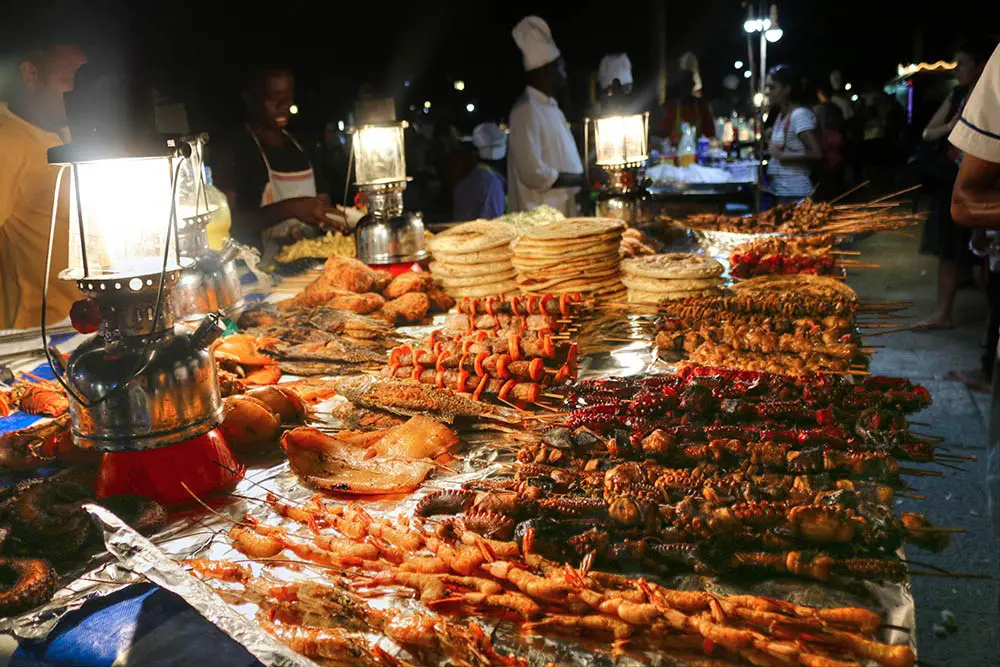
Zanzibar food reflects its Swahili, Arab, Indian, and Persian heritage. The aromatic spice blends create distinctive flavors impossible to replicate elsewhere.
Street food is exceptional: Zanzibar pizza (stuffed crepes cooked on griddles at Forodhani Gardens), urojo soup (spicy, tangy chickpea broth), mishkaki (grilled meat skewers), and sugarcane juice pressed fresh before your eyes. These cost $1-3 and taste incredible.
Seafood dominates restaurant menus. Grilled octopus, lobster, prawns, and whole fish appear daily, often caught that morning. Preparation tends toward simple grilling with coconut rice, letting natural flavors shine.
Higher-end restaurants in Stone Town and resort areas serve refined Swahili-fusion cuisine, though options are limited compared to Mauritius. Vegetarians find adequate choices, though the cuisine centers heavily on seafood and meat.
The spice-infused curries, coconut-based sauces, and cardamom-scented rice create taste memories that linger long after your holiday ends.
Mauritius’ Diverse Dining
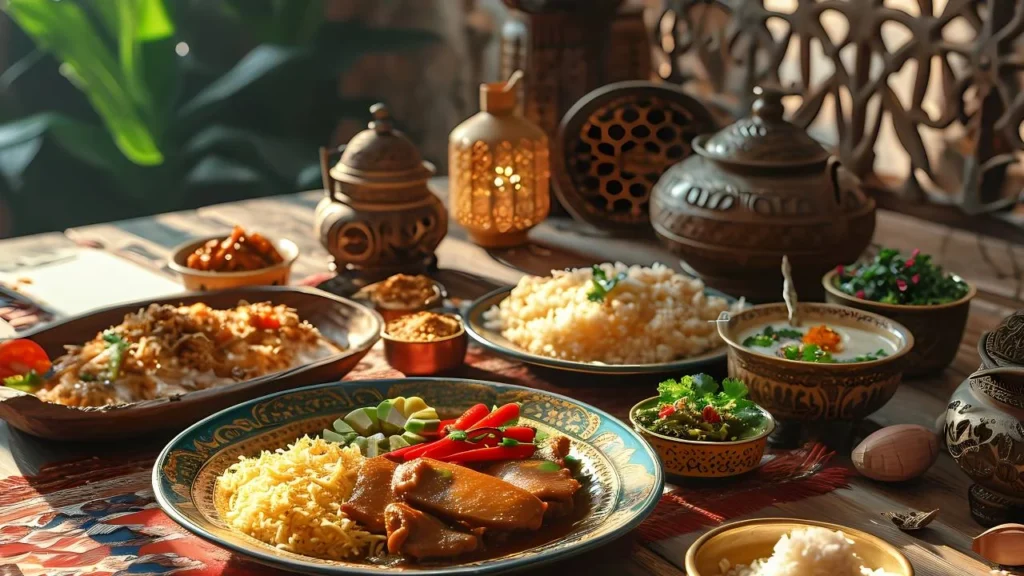
Mauritius offers remarkable culinary diversity reflecting its multicultural population. You’ll find authentic Indian curry houses, Chinese dim sum restaurants, French bistros, and Creole eateries serving spicy rougaille and vindaye.
The dholl puri—thin flatbread stuffed with ground yellow split peas, served with butter bean curry and chutneys—is the national street food and costs under $1. It’s delicious and universally loved.
Resort restaurants typically employ talented chefs creating fusion cuisine, continental classics, and themed buffets. Quality varies, but top properties deliver genuine gastronomic experiences.
Port Louis’ Central Market buzzes with vendors selling tropical fruits, fresh juices, and quick meals. The food courts offer authentic local dishes at fraction of restaurant prices.
Rum is serious business here. Distillery tours explain the production process before tastings of premium aged rums that rival Caribbean offerings.
The verdict: Zanzibar wins for distinctive, spice-forward Swahili cuisine and incredible street food. Mauritius offers greater variety and higher-end dining options.
Weather and Best Time to Visit
Zanzibar’s Climate Patterns
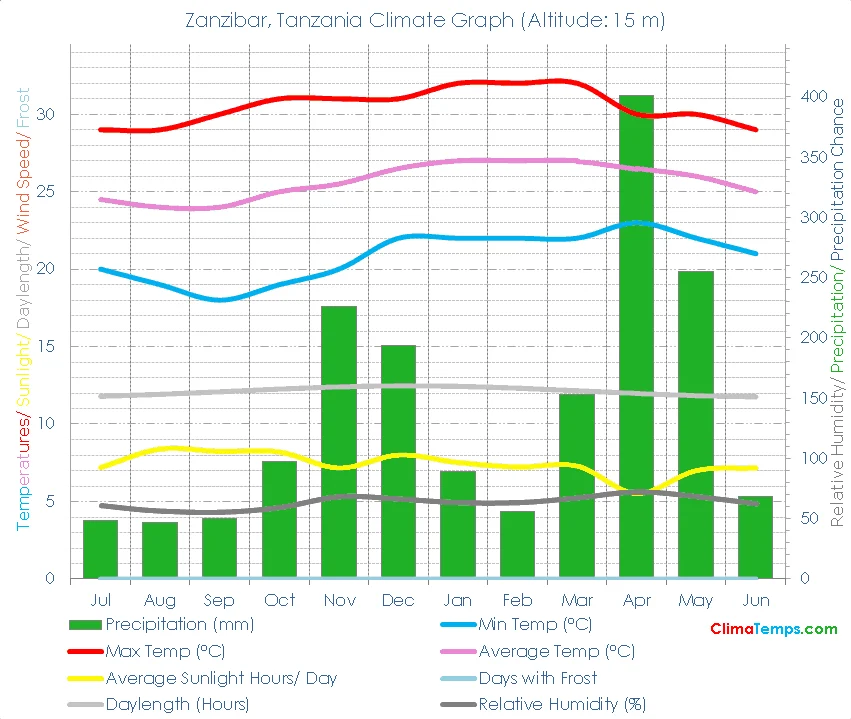
Zanzibar experiences two rainy seasons: the long rains (March-May) and short rains (November). The long rains bring heavy downpours that can disrupt plans, while short rains are briefer and less predictable.
Peak season (June-October, December-February): Dry, sunny weather with temperatures of 25-30°C. June-October sees slightly cooler evenings and refreshing ocean breezes. This is ideal beach weather.
Shoulder season (November, March): Mixed conditions with possible rain but fewer crowds and lower prices. November is riskier than March.
Low season (April-May): Heavy rains make beach activities challenging. Many hotels close for renovations. Only visit if you’re extremely budget-conscious and flexible.
The southeast trade winds (June-September) bring seaweed to the east coast beaches, though Nungwi and Kendwa on the north remain largely unaffected.
Mauritius’ Climate Patterns
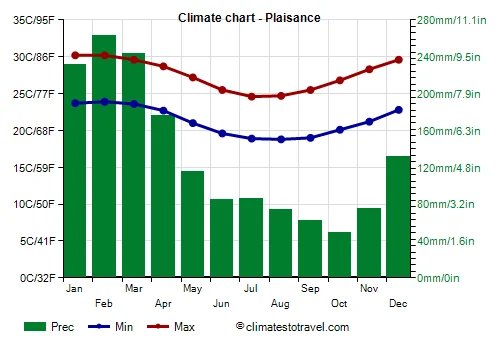
Mauritius has distinct summer (November-April) and winter (May-October) seasons, being in the southern hemisphere.
Summer (November-April): Hot and humid (27-33°C) with occasional tropical cyclones (January-March). Cyclones rarely make direct hits but bring rain and wind. This is low season despite better water temperatures.
Winter (May-October): Cooler (20-26°C), drier, and less humid. This is peak season with the best weather for hiking and outdoor activities, though ocean temperatures drop to 22-24°C.
The east coast receives more wind and rain than the sheltered west coast. Savvy travelers choose accommodation based on seasonal wind patterns.
The verdict: Both islands offer excellent weather June-October. Zanzibar’s December-February is superior to Mauritius’ wet season. Overall, weather is comparably good during peak periods.
How Easy Is Each Island to Reach and Navigate?
Getting to Zanzibar
Zanzibar International Airport receives international flights from the Middle East (Dubai, Doha, Oman) and regional African cities (Nairobi, Dar es Salaam, Addis Ababa). Most European and American travelers connect through these hubs.
The Dar es Salaam connection is common—a short 25-minute flight or 2-hour ferry ride from mainland Tanzania. Many travelers combine Zanzibar with Tanzania safari experiences.
Once on the island, getting around requires planning. The dala-dala system (shared minibuses) is cheap but confusing for first-timers. Private transfers or car rentals work better for tourists. Roads vary from smooth tarmac to potholed dirt tracks depending on location.
Stone Town traffic is chaotic but walkable. Most beach resorts are 45-90 minutes from the airport.
Getting to Mauritius
Mauritius International Airport welcomes direct flights from Europe (London, Paris, Frankfurt), South Africa, India, and seasonal connections from elsewhere. Flight options are more numerous and convenient for European travelers.
The island is easy to navigate with well-maintained roads, clear signage, and reliable GPS. Driving is on the left (British influence). Distances are manageable—you can cross the island in 90 minutes.
Taxis are available but expensive without negotiation. Car rental is recommended and allows flexibility to explore. Public buses exist and are very cheap, but routes and schedules require local knowledge.
Most resorts offer airport transfers included in packages or available at reasonable rates.
The verdict: Mauritius is more accessible from Europe and easier to navigate independently. Zanzibar requires more connections but works well for East Africa combinations.
Safety Considerations for Travelers
Safety in Zanzibar
Zanzibar is generally safe for tourists, though standard precautions apply. Stone Town’s narrow streets can be disorienting at night; stick to main routes and avoid displaying expensive jewelry or electronics.
Beach areas are safer than the city, with most resorts employing security. Petty theft (bag snatching, pickpocketing) occurs in crowded areas. Keep valuables secured and don’t walk isolated beaches alone after dark.
As a conservative Muslim region (99% Muslim population), modest dress is appreciated outside resorts. Women should cover shoulders and knees in Stone Town. Swimwear is fine on beaches but cover up when walking through villages.
Water quality varies. Drink bottled water and be cautious with ice and raw salads at budget establishments. Healthcare facilities are basic; serious issues require evacuation to Dar es Salaam or Nairobi.
Safety in Mauritius
Mauritius enjoys low crime rates and is considered one of Africa’s safest destinations. Violent crime against tourists is rare. Petty theft exists in Port Louis and busy beaches—don’t leave belongings unattended.
Infrastructure is reliable. Roads, emergency services, and medical facilities meet international standards. Private clinics in tourist areas provide quality healthcare.
Ocean safety requires attention. Lagoon swimming is safe, but currents beyond the reef can be strong. Follow posted warnings and local advice.
The island has no dangerous wildlife, venomous snakes, or malaria, making it family-friendly and low-stress for cautious travelers.
The verdict: Mauritius feels safer and more sanitized. Zanzibar is safe with awareness and modest precautions.
Which Island Is Better for Families?
Zanzibar for Families
Zanzibar works wonderfully for adventurous families with older children (8+). The cultural experiences, spice tours, and snorkeling adventures create educational holidays kids remember.
The dramatic tides fascinate children—exploring vast sandbars, collecting shells, and watching fishermen becomes natural entertainment. Many guesthouses and boutique hotels offer family rooms and welcome children warmly.
Downsides include limited organized kids’ clubs, fewer child-specific amenities, and potentially challenging transportation. Bathroom facilities can be basic outside established resorts. Health precautions (safe water, sun protection, malaria prophylaxis consultation) require attention.
Locals adore children, and your family will receive warm welcomes everywhere. The relaxed pace suits families wanting quality time without overscheduling.
Mauritius for Families
Mauritius excels at family holidays. Major resorts feature kids’ clubs with supervised activities, children’s pools, playgrounds, and teen programs. Parents can relax knowing children are safe and entertained.
The calm lagoons provide worry-free swimming for young children. Water temperatures stay warm year-round. Beach facilities include loungers, shade, and easy access to refreshments.
Restaurant high chairs, family rooms, connecting suites, and babysitting services are standard at family-oriented properties. Many offer all-inclusive packages simplifying budgeting and meal planning.
Attractions like Casela Nature Park (safari, zip-lining, interactions with animals), the aquarium, and gentle catamaran cruises suit varied age groups. The Curious Corner interactive museum in Grand Baie delights younger children.
The verdict: Mauritius wins decisively for families with young children wanting resort conveniences. Zanzibar suits adventurous families prioritizing culture and nature.
Accommodation Styles: Resorts vs Boutique Hotels
Zanzibar’s Accommodation Character
Zanzibar specializes in boutique properties—intimate hotels with 10-40 rooms offering personalized service and distinct character. Architecture often blends Swahili and Arabian styles with carved doors, makuti (palm thatch) roofs, and open-air spaces.
You’ll find everything from budget beach bungalows ($30-60) to exclusive private villas ($500+). The sweet spot is mid-range boutique hotels ($80-180) delivering beachfront locations, excellent food, and attentive staff without corporate blandness.
All-inclusive resorts exist but are fewer and generally less polished than Mauritius equivalents. The emphasis is on character and location rather than extensive facilities.
Stone Town offers atmospheric guesthouses in converted Arab merchants’ houses—historic properties with rooftop terraces overlooking the UNESCO site. These provide cultural immersion but less luxury than beach resorts.
Mauritius’ Resort Excellence
Mauritius built its reputation on world-class beach resorts. International chains (Shangri-La, Four Seasons, LUX*, Constance) operate alongside local luxury brands.
All-inclusive packages dominate, covering meals, drinks, watersports, and entertainment. This appeals to travelers wanting predictable costs and convenience.
Facilities typically include multiple restaurants, bars, extensive pools, spas, fitness centers, tennis courts, and golf courses. Service standards are high, with staff trained to international hospitality standards.
Boutique options exist but are less common. The accommodation landscape caters primarily to those seeking comprehensive resort experiences rather than intimate, locally-owned properties.
The verdict: Choose based on preference. Zanzibar for intimate, characterful properties; Mauritius for full-service resort experiences.
Environmental and Sustainability Considerations
Zanzibar’s Environmental Efforts
Zanzibar faces environmental challenges from rapid tourism growth, plastic waste, and coral reef degradation. The Mnemba Island Marine Conservation Area demonstrates successful protection, with turtle nesting programs and fishing restrictions.
Many smaller hotels implement sustainable practices: solar power, rainwater harvesting, locally-sourced materials, and community employment. The Zala Park eco-resort showcases what’s possible with commitment to sustainability.
Seaweed farming, while controversial for beach aesthetics, provides sustainable livelihoods for coastal women and produces valuable exports for cosmetics and food industries.
Tourism pressure in Stone Town and popular beaches creates waste management challenges. Plastic pollution is visible, though improving. Responsible travelers should minimize single-use plastics and support businesses prioritizing sustainability.
Mauritius’ Conservation Initiatives
Mauritius has invested significantly in marine parks, coral restoration projects, and endemic species protection. The Mauritian Wildlife Foundation works to save critically endangered birds like the echo parakeet and pink pigeon.
Many luxury resorts hold eco-certifications and implement comprehensive environmental programs—wastewater treatment, renewable energy, plastic reduction, and reef restoration.
The island’s small size makes environmental impact visible and motivates action. However, intensive resort development and tourism infrastructure strain resources and ecosystems.
Public awareness of environmental issues is growing, with government initiatives targeting plastic reduction and marine protection.
The verdict: Both islands face sustainability challenges. Individual properties vary widely—research specific hotels’ environmental commitments rather than judging entire destinations.
Common Mistakes to Avoid When Choosing
Many travelers make avoidable errors when selecting between these destinations:
Assuming they’re interchangeable. They’re fundamentally different experiences. Research thoroughly rather than choosing based solely on price or pictures.
Booking wrong seasons. Arriving during Zanzibar’s long rains or Mauritius’ cyclone season destroys holidays. Check seasonal patterns before booking.
Underestimating travel time. Zanzibar requires more connections for most Western travelers. Factor in journey complexity, especially for short trips.
Overlooking tide tables. Zanzibar’s east coast tides dramatically affect beach experiences. Review tide schedules for your travel dates and choose locations accordingly.
Expecting Caribbean-style service everywhere. Zanzibar’s charm lies in authenticity, not polished resort service. Adjust expectations to appreciate what’s offered.
Ignoring health requirements. Yellow fever certificates, malaria considerations, and travel insurance matter. Consult travel health clinics 6-8 weeks before departure.
Skipping Stone Town. First-time Zanzibar visitors who only see beaches miss the island’s soul. Allocate at least one full day for cultural exploration.
Overpacking itineraries. Both islands reward slow travel. Resist cramming activities into every day. Leave space for spontaneity and relaxation.
Frequently Asked Questions
Is Zanzibar or Mauritius better for a first-time visit to the Indian Ocean?
Mauritius is easier for first-timers worried about comfort, infrastructure, and comprehensive resort amenities. Zanzibar suits adventurous first-timers who prioritize authentic experiences and cultural immersion over polished convenience. Your travel style matters more than experience level—confident budget travelers often prefer Zanzibar, while luxury-focused first-timers choose Mauritius.
Which island is more romantic for a honeymoon on a budget?
Zanzibar delivers exceptional romantic value for money. You can book intimate boutique hotels with beachfront access, private dinners, and couples’ spa treatments for 40-50% less than Mauritius. The authentic atmosphere—sunset dhow cruises, spice-scented air, and secluded beaches—creates romance naturally without requiring expensive packages. Mauritius demands a larger budget to access comparable romantic experiences.
Can you combine both islands in one trip?
Yes, though logistically challenging. You’d typically fly into one island, spend 5-7 days, then fly to the other via connecting cities like Nairobi, Addis Ababa, or Johannesburg. The indirect routing and cost make this practical only for 14+ day trips. Most travelers find each island deserves a dedicated holiday rather than splitting a short vacation. Combining Tanzania safaris with Zanzibar is a more natural pairing.
Which island has better coral reefs and marine life?
Zanzibar’s Mnemba Atoll offers more impressive marine biodiversity with reliable sea turtle sightings, seasonal whale sharks and humpback whales, and vibrant coral gardens. Mauritius provides professional diving infrastructure and consistently good conditions but generally less spectacular marine encounters. Serious divers and snorkelers seeking memorable wildlife interactions should choose Zanzibar, while beginners wanting easy, safe water access prefer Mauritius.
Is it safe to travel to Zanzibar as a woman alone?
Yes, with appropriate precautions. Zanzibar is predominantly Muslim and conservative, so solo women should dress modestly (covered shoulders and knees) outside resort areas. Avoid walking isolated areas after dark, use reputable transport, and stay alert in crowded Stone Town markets. Many solo female travelers visit without incident and find locals respectful. Beach resort areas feel very safe. Trust your instincts and maintain the same awareness you’d exercise in any foreign destination.
How much does a week-long holiday cost in each destination?
In Zanzibar, a couple can enjoy a comfortable week including mid-range accommodation, meals, activities, and transfers for $1,500-2,500 total. Budget travelers manage $800-1,200; luxury seekers spend $3,000-5,000. Mauritius typically costs $3,500-6,000 for comparable mid-range experiences, $2,000-3,000 for budget-conscious travelers, and $6,000-12,000+ for luxury all-inclusive resorts. Zanzibar offers significantly better value across all budget levels.
Which island is better for adventure activities beyond beaches?
Mauritius excels with hiking volcanic peaks, exploring waterfalls, visiting botanical gardens, zip-lining, quad biking, and diverse landscape experiences. Zanzibar’s appeal lies in cultural adventures—spice tours, Stone Town exploration, village visits, and dhow sailing—rather than adventure sports. If you want mountain hiking, canyoning, and varied terrain, choose Mauritius. For cultural adventure and marine activities, choose Zanzibar.
Do I need vaccines or malaria medication for either island?
Zanzibar is in a malaria-endemic zone. Consult your doctor about antimalarial medications—most recommend prophylaxis despite Zanzibar’s relatively low risk compared to mainland Tanzania. Yellow fever vaccination certificates are required if arriving from infected countries. Routine vaccinations should be current. Mauritius has no malaria, doesn’t require yellow fever vaccination (unless arriving from endemic areas), and poses minimal health risks. Consult travel health clinics 6-8 weeks before departure regardless of destination.
Can I use US dollars or Euros in both destinations?
In Zanzibar, US dollars are widely accepted at hotels, restaurants, and tour operators, often preferred for larger transactions. The local currency is the Tanzanian shilling (TZS), needed for local markets, street food, and small purchases. Euros work less commonly. Bring small-denomination US bills ($1, $5, $10, $20) for convenience. In Mauritius, the Mauritian rupee (MUR) is standard. US dollars and euros can be exchanged easily, but restaurants and shops primarily operate in rupees. Credit cards work widely in both destinations at established businesses.
Which island is better for celebrating a special anniversary?
Both excel at anniversaries but deliver differently. Choose Zanzibar if you want intimate, authentic romance with cultural richness, boutique hotels offering personalized attention, and exceptional value allowing anniversary splurges on private dinners, spa treatments, or luxury room upgrades. Choose Mauritius if you prefer five-star resort pampering with organized romantic packages, fine dining variety, and comprehensive amenities taking care of every detail. Your celebration style—intimate and cultural versus luxurious and organized—determines the better choice.
Conclusion
Zanzibar and Mauritius are both beautiful—but they serve different travellers.
If you want polished luxury, Mauritius delivers.
If you want culture, value, and unforgettable human moments, Zanzibar stands apart.
At GoSmart Zanzibar Tours, we help travellers experience Zanzibar the right way—comfortable, well-organized, and deeply authentic.
If you’re planning a Zanzibar holiday and want honest advice, tailored itineraries, or expert local support, we’re here to help—no pressure, just clarity.
Your island choice should match who you are, not just what looks good online.


 Contact Us